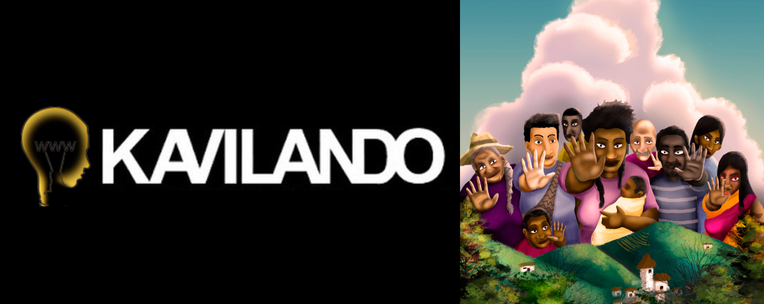
La forma de desarrollar conflictos y guerras en el siglo XXI, trasciende la confrontación física tradicional y se desplaza hacia un terreno más profundo, las mentes, los procesos culturales y las estructuras simbólicas que sostienen la vida social. No se trata únicamente de disputar territorios, sino de intervenir en la manera en que las sociedades interpretan la realidad, procesan la información y toman decisiones colectivas.
<< < 2 3 4 5 6 7 8 9 10 11 > >>
También puede {advancedSearchLink} para este artículo.