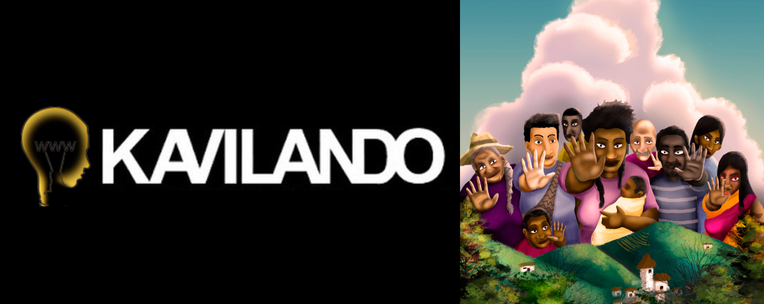
In the city of Medellín, the Local Planning and Participatory Budgeting (PP) program celebrated 20 years since its first implementation. Throughout this time, there have been changes in its regulations and implementation methods, affecting the level of influence that communities have on final decisions regarding the percentage of the budget allocated to this program and, therefore, also affecting democracy in the city. A review of the PP's history and implementation methods should lead us to revisit the fundamental discussion of whether voting is sufficient for democracy to exist, or whether any exercise in which a certain number of people participate can be considered an exercise in participatory democracy.
You may also start an advanced similarity search for this article.